Design for complex operations.
I design software that helps people understand complex systems and act with confidence.
My work spans data-center operations, enterprise platforms, and AI tools, including projects for Meta, Microsoft, and Amazon.
Selected work
Rebuilding the repair console for Meta's data centers
The tool technicians use to diagnose and fix hardware at scale. Faster repairs, and far fewer tickets that come back a second time.
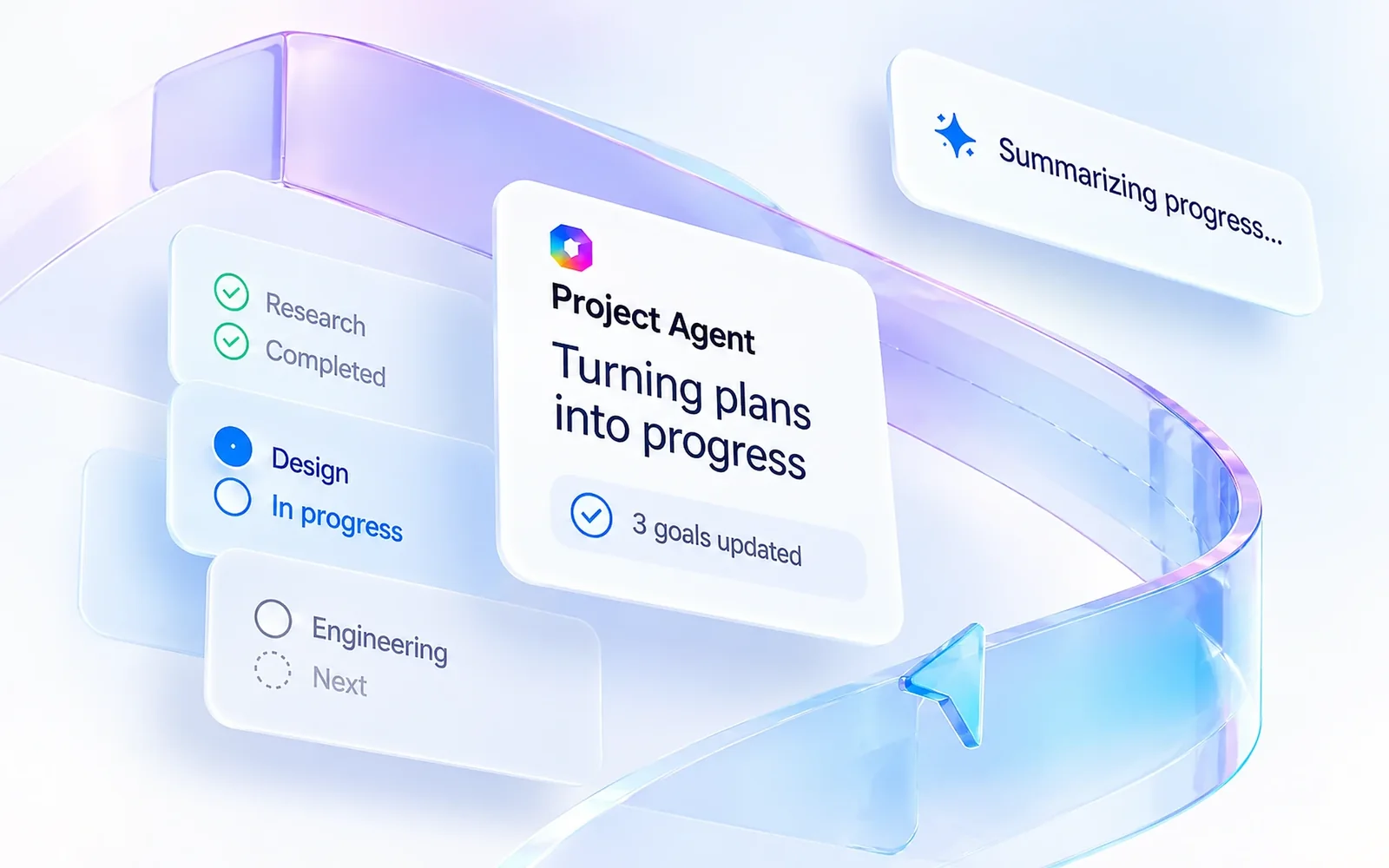
Turning Microsoft Planner into an AI PM you can trust
An agent that drafts the plan and keeps it current, designed so people can see its reasoning and trust what it tells them.
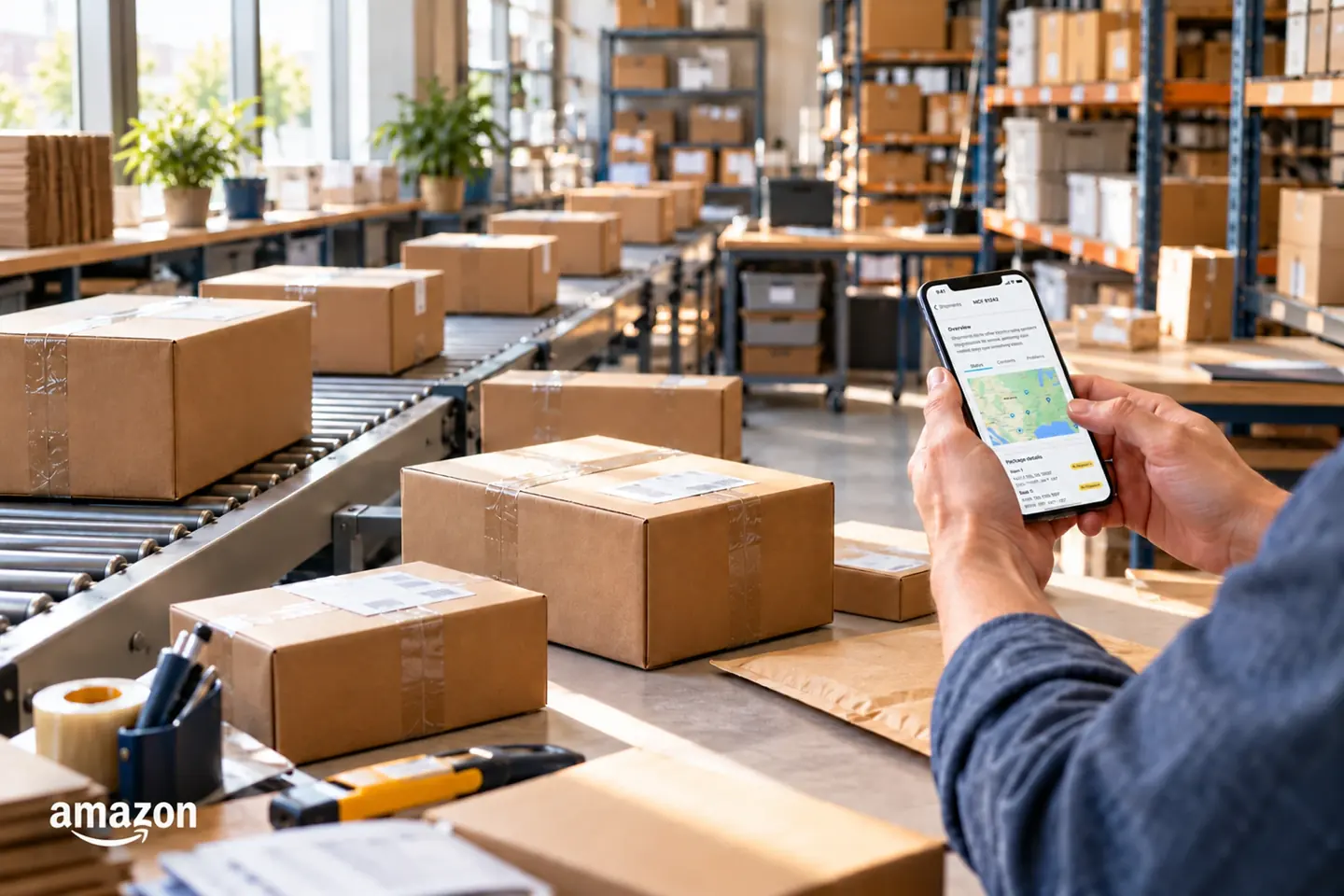
Redesigning fulfillment operations at Amazon
Multi-Channel Fulfillment rebuilt for sellers: real-time tracking, flexible orders, and a mobile-first console for global reach.
Cutting data access from ten days to forty-eight hours
Cornerstone, Amex's internal data-access portal, redesigned so the fast path is also the safe one.
InfraBench: published specs, corrected for reality
Free, open planning tools for data-center teams, built on public data with every constant shown.
What I work on
Data-center operations
Repair consoles, monitoring, and control surfaces for infrastructure teams, where a wrong click has a real cost.
Enterprise platforms
Internal portals and workflows for large organizations, designed so the compliant path is also the fast one.
AI tools people can trust
Copilots and agents that show their reasoning, so the people relying on them can verify it and act with confidence.
Companies I've designed for
I make complex systems legible to the people who run them.
I started as a brand designer in ed-tech, moved through enterprise finance at American Express and PayPal, then into operations tooling at Amazon and Meta. Most of my work since has been for operators: technicians, analysts, and engineers who need to understand what a system is doing before they touch it. I now take select consulting and freelance work.
Data-center operations, internal platforms, AI tooling. I look for problems where the complexity is real and mistakes are expensive, then spend most of the project making the system understandable to whoever has to act on it.
I design it and I build it. At Meta that meant 1,000+ production changes shipped solo. For a team it means discovery-to-build in weeks instead of quarters, with nothing lost between design and engineering.
I picked up the rigor at companies big enough to need it, and I've worked without it long enough to know which parts you can skip. Design system one month, scrappy MVP the next.